The MCP Agent Skills Explosion: What It Means for Developers
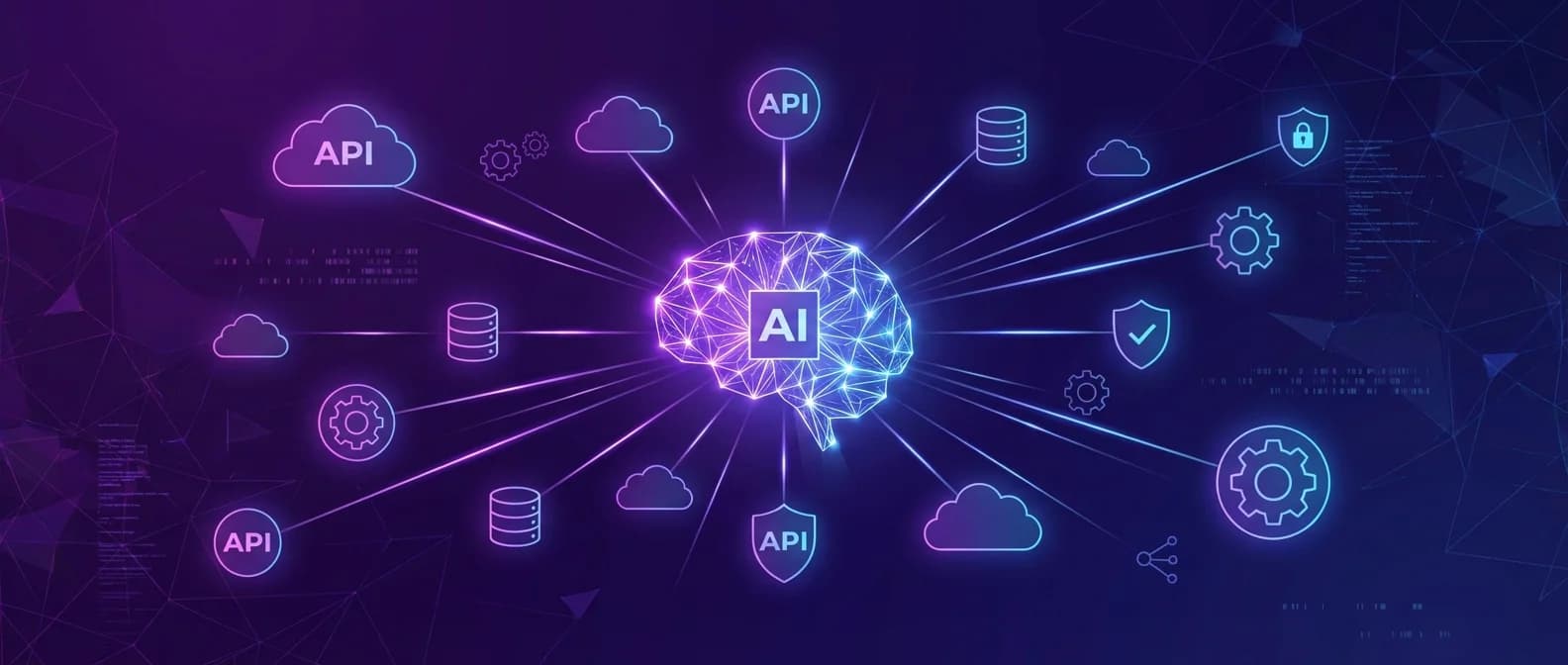
Something shifted this week. Supabase dropped postgres-best-practices Agent Skills. Resend released email integration skills. Sam Hogan went viral explaining how to run SEO audits with Ahrefs and Google Search Console MCPs. These aren't isolated releases—they're the moment the MCP ecosystem stopped being experimental.
Why This Week Matters
MCP (Model Context Protocol) has been around for months. Anthropic shipped it, developers tinkered with it, and most people filed it under "interesting but not essential." That changed when production-grade companies started treating Agent Skills as first-class features.
Supabase's release is the tell. They didn't build a toy demo—they shipped postgres-best-practices, a skill that teaches Claude Code how to write better database queries, handle migrations safely, and follow their recommended patterns. This is institutional knowledge packaged for AI consumption.
Resend followed with three skills: email-best-practices, react-email, and resend-skills. Same pattern. Not "here's our API docs"—instead, "here's how an expert would use our tools."
The implication: companies are now building AI integrations as seriously as they build SDKs.
What Agent Skills Actually Do
If you've used Claude Code, you've probably written a CLAUDE.md file. Agent Skills are the same concept, but portable and shareable.
A skill is a markdown file that gives Claude context about a specific domain. When you install Supabase's postgres skill, Claude suddenly knows:
- When to use RLS policies vs application-level auth
- How to structure migrations for zero-downtime deployments
- Which Postgres features play well with Supabase's architecture
The skill doesn't execute code. It shapes how Claude thinks about your requests. Ask it to add a users table, and it'll suggest RLS policies without you prompting for them.
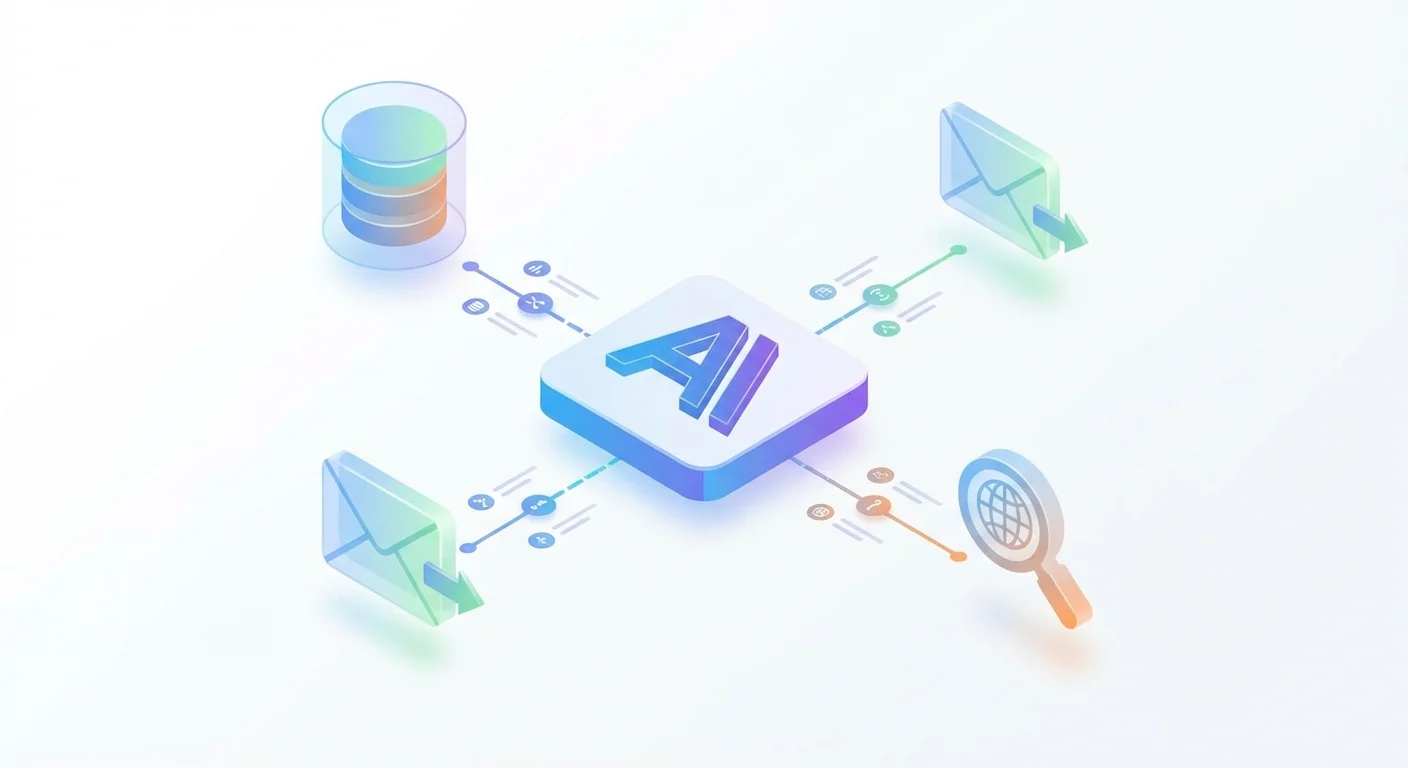
The SEO Stack That's Going Viral
Sam Hogan's thread hit 1.1K likes because it showed something concrete: using Claude Code for SEO without writing custom integrations.
His stack:
- Ahrefs MCP: Pulls backlink data, keyword rankings, competitor analysis
- Google Search Console MCP: Fetches your actual search performance data
The workflow: point Claude Code at your site, ask it to audit your SEO, and watch it pull real data from both sources to generate actionable recommendations.
This works because MCP servers expose tools that Claude can call. The Ahrefs MCP might expose get_backlinks(domain) and get_keyword_rankings(domain). Claude decides when to call them based on your request.
No API keys in your prompts. No manual data fetching. Just ask the question.
How to Actually Use These
Installing an MCP server in Claude Code:
// .claude/settings.json
{
  "mcpServers": {
    "supabase": {
      "command": "npx",
      "args": ["-y", "@supabase/mcp-server"]
    }
  }
}
For skills that are just markdown files (like best-practices guides), add them to your project's .claude/skills/ directory or reference them in your CLAUDE.md.
The key insight from recent Claude Code updates: it now uses progressive disclosure for MCP tools. It doesn't load every tool into context immediately—it searches for relevant tools when needed. This keeps your context clean while still giving you access to the full ecosystem.
What This Means for Your Workflow
Three patterns are emerging:
1. Domain expertise as a service
Companies will ship skills alongside their products. Using Stripe? Their Agent Skill will know about webhook best practices, idempotency keys, and how to handle test mode vs live mode. You're not just getting an API—you're getting the accumulated knowledge of their developer relations team.
2. Composable AI workflows
Sam Hogan's SEO stack shows the direction: combine multiple MCPs to create workflows that would take hours manually. Content audit? Pull Google Search Console data, cross-reference with Ahrefs backlinks, check your sitemap, and generate a prioritized fix list. One prompt.
3. Institutional knowledge capture
The Supabase skill isn't just documentation—it's how their best engineers think about Postgres. Companies can now encode their internal standards in a format that AI agents understand. Onboarding gets faster when Claude already knows your patterns.
The Tradeoffs
This ecosystem is still young. Pain points you'll hit:
- MCP server quality varies wildly. Some are production-ready, others are weekend projects. Check the repo before depending on one.
- Token usage adds up. Each MCP tool consumes context. Install five servers with twenty tools each, and you're burning tokens before you write your first prompt.
- Skills can conflict. If two skills give contradictory advice about the same topic, Claude has to reconcile them. Usually it does fine. Sometimes it doesn't.
- No standard for skill quality. Anyone can publish a skill. There's no review process, no verification, no security audit.
What Comes Next
The trend line is clear. More companies will ship Agent Skills. The ecosystem will get more crowded. Curation will become valuable—which skills are actually good?
For now, the opportunity is being early. If you're using Supabase, install their skill and see how it changes your workflow. If you're doing SEO, try the Ahrefs + Search Console stack. The learning curve is shallow, and the productivity gains are real.
The week the MCP ecosystem got serious. Pay attention.
Key Takeaways
- Supabase, Resend, and Ahrefs all shipped Agent Skills in the same week—a signal that MCP is becoming standard infrastructure
- Agent Skills encode domain expertise, not just API access—they shape how Claude thinks about problems
- The SEO stack (Ahrefs + Google Search Console MCPs) shows how composable AI workflows actually work
- Install skills that match your stack and watch Claude's suggestions improve immediately
- Ecosystem is young—quality varies, so vet tools before depending on them